
Visual Lessons About Creativity. Mostly.
Reflecting on the art I saw in 2025 and what it says

I have a colleague, who is also a friend, with a fascinating (to me) year-end ritual. He goes solo camping between Christmas and New Year's. Alone in the woods, he reflects on the year about to be over and looks to the one to come. Fully disconnected from the digital world and most all else.
This survivalist-meets-mindfulness approach is not my cup of tea. If you know me, you would now chuckle, because that is a gross understatement. I will choose city over the woods any day. But I admire the purposeful pause and reflection practice.
The year that is behind me was more than intense and I very much needed a pause. For me, two things help — travel and art. We traveled to Mexico for the holidays and I was able to truly breathe. And as I try to center myself, I did what I don’t do enough of; I opened my Photos and looked at all the pictures of art last year. These came from exhibitions, in major museums and local galleries, plus art, architecture, and design in places we traveled.
I could have been more productive today and written a few different pieces. But this was restorative. And that is a good thing, to quote Martha Stewart.
So, below is my year in art. All pictures are mine. My self-imposed constraint was that I could pick only one per art exhibit or event. Along the art are creativity tidbits that they made me think of.
Consume as you please. Here in chronological order. Because it turns out that I go to a lot of art events, this is part 1, January through June. Stay tuned next week for the rest of the year.
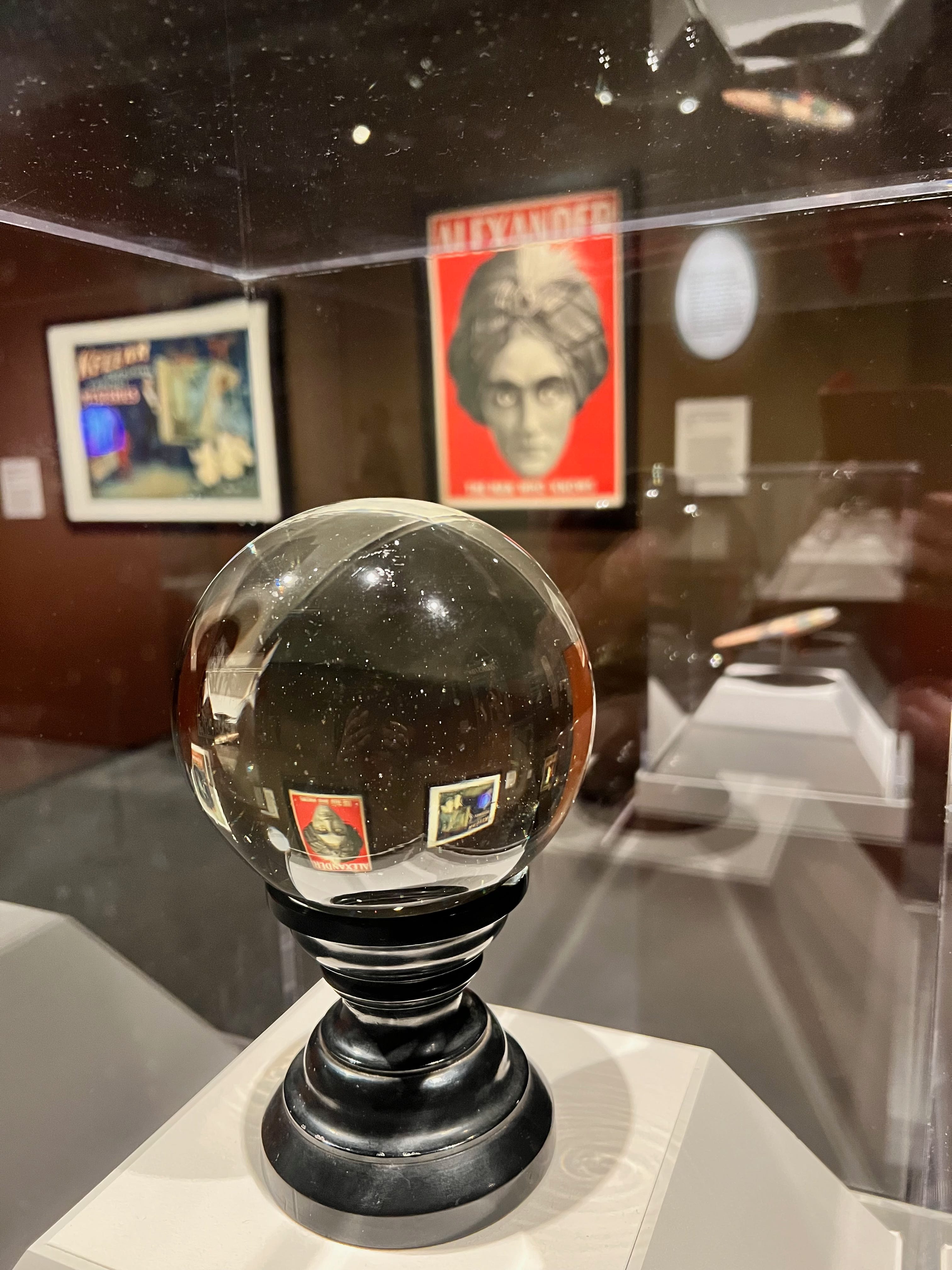
Peabody Essex Museum, Salem, MA. Conjuring the Spirit World: Art, Magic, and Mediums. I don’t know how David Copperfield disappeared the Statue of Liberty. Knowing would ruin the magic for me. But I do study the creative process and the magic is not tarnished by understanding. We are creatures of multitudes.
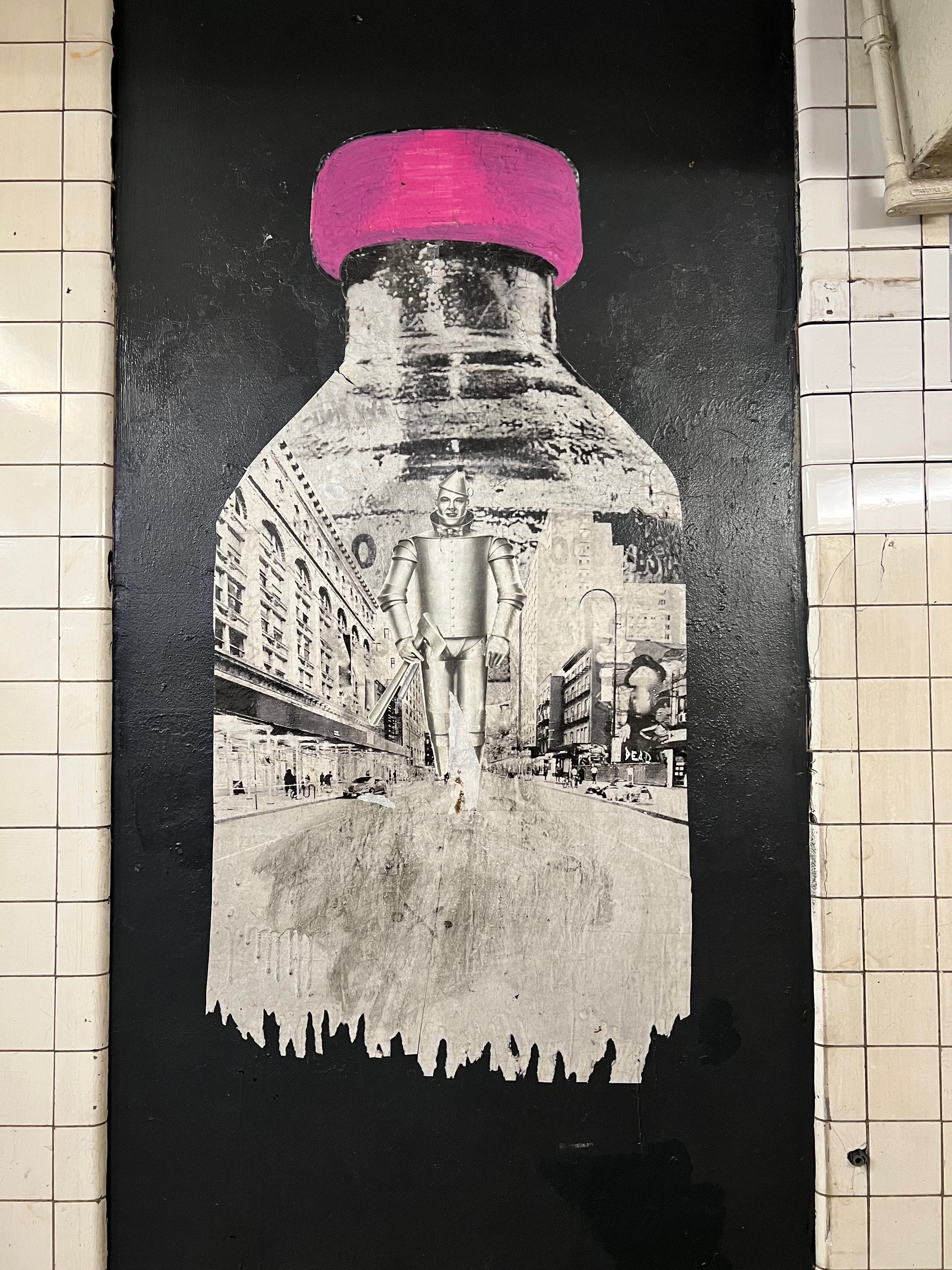
New York. Art in the subway. Creativity is everywhere. It takes heart to go towards wonder.
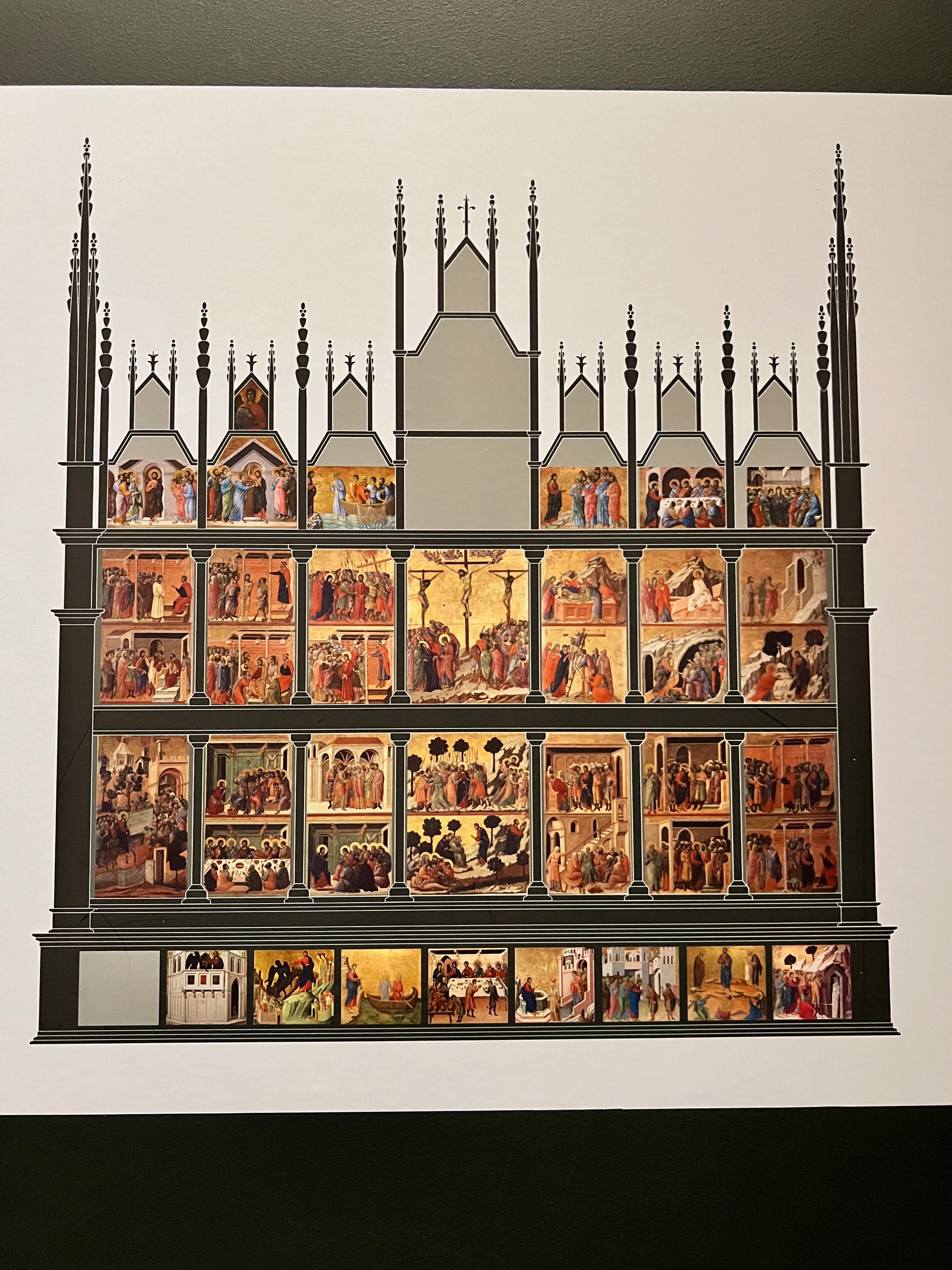
Metropolitan Museum of Art, New York. Siena: The Rise of Painting, 1300–1350. Creativity takes the right environment. And part of it is getting lucky to be at the right place at the right time (In Siena, the golden period ended with the great plague).
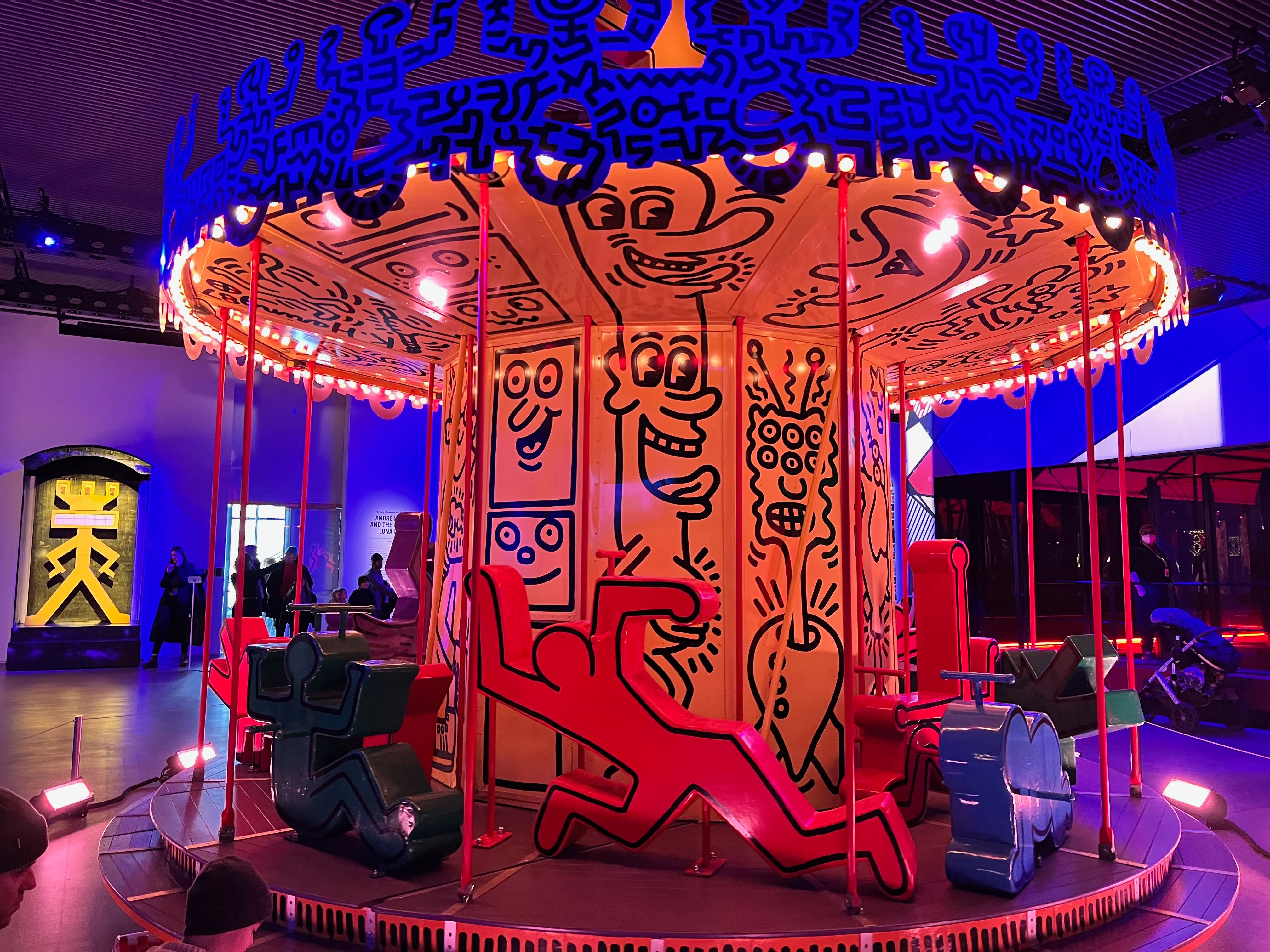
Hudson Yards, New York. Luna Luna: Forgotten Fantasy - The Shed. Play is at the heart of creativity. Joyful, fun, serious. This event was more fun than I thought was legal.
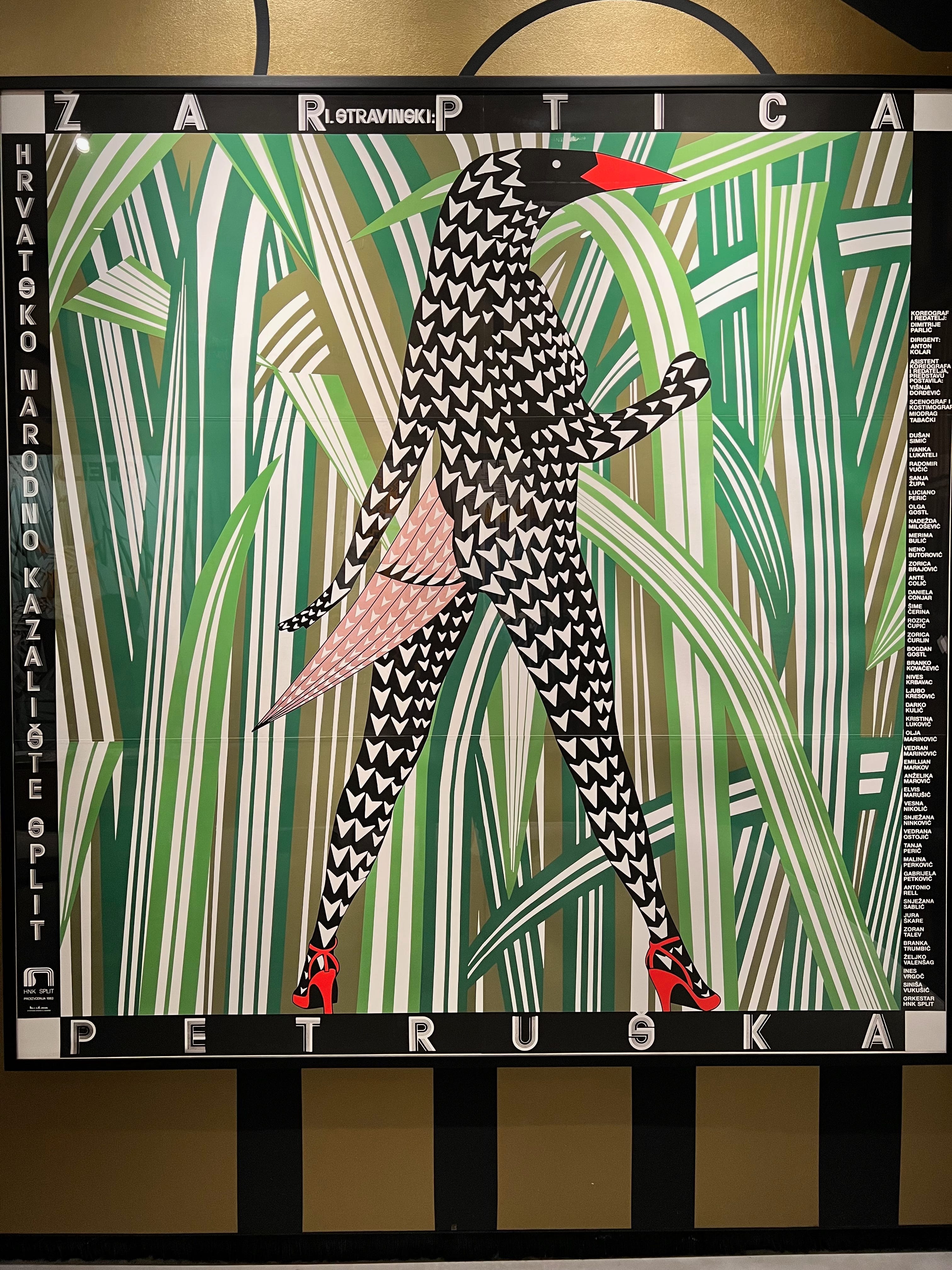
Poster House, New York. Fantastical Streets: The Theatrical Posters of Boris Bućan. As a child, I walked by this poster many (many!) times completely captivated. Don’t think I fully understood it, but I was drawn to it. Reminds me of ambiguity and struggling with uncertainty that is at the center of creativity.
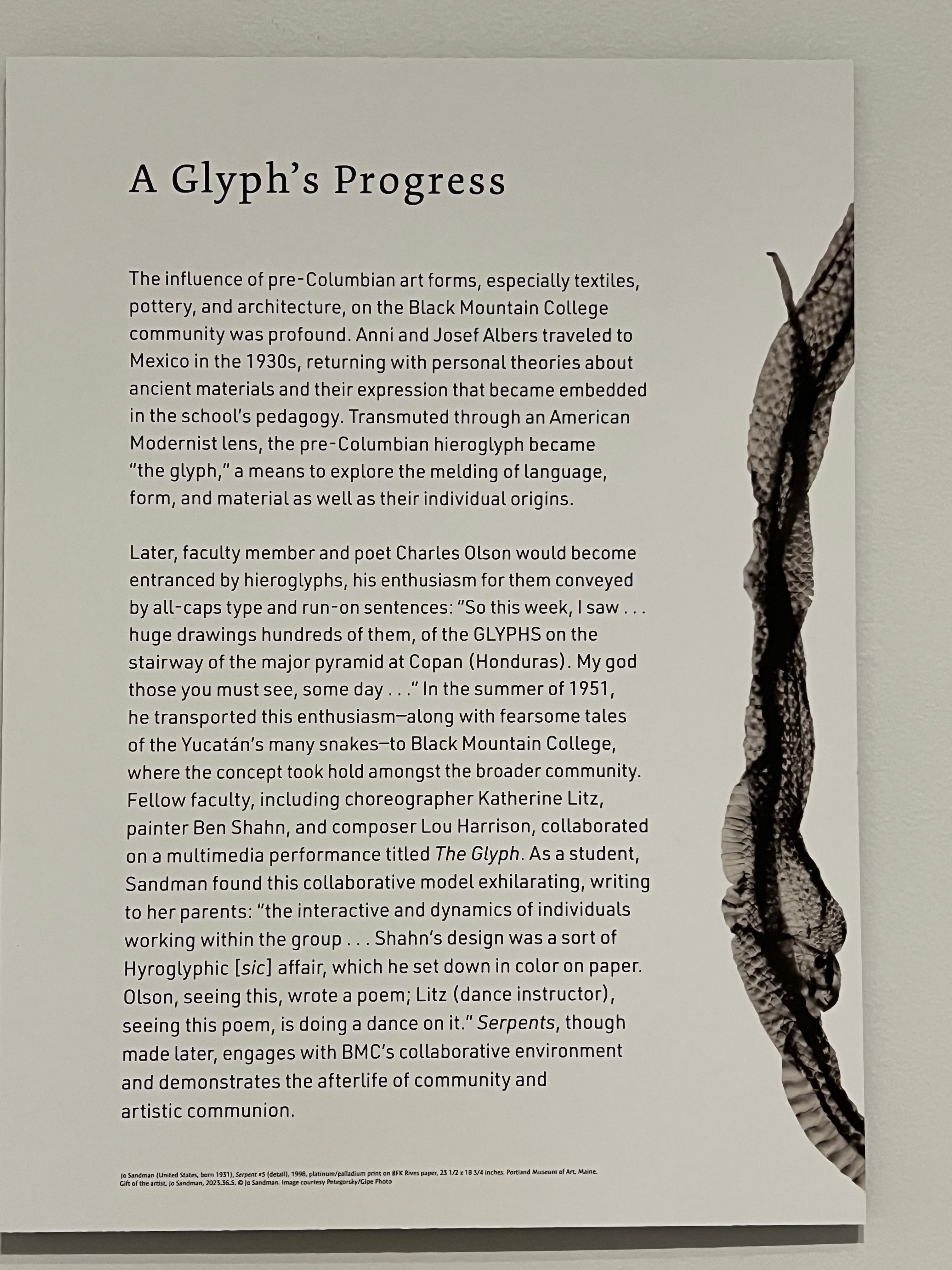
Portland Museum of Art, Maine. Jo Sandman: Skin Deep. Inspiration comes from unexpected places and thrives in supportive communities. If I could travel in time, I would love to visit the Black Mountain College. If you don’t know of it, google is your friend. I don’t think you will regret falling into this particular rabbit hole. What would a similar place look like now?
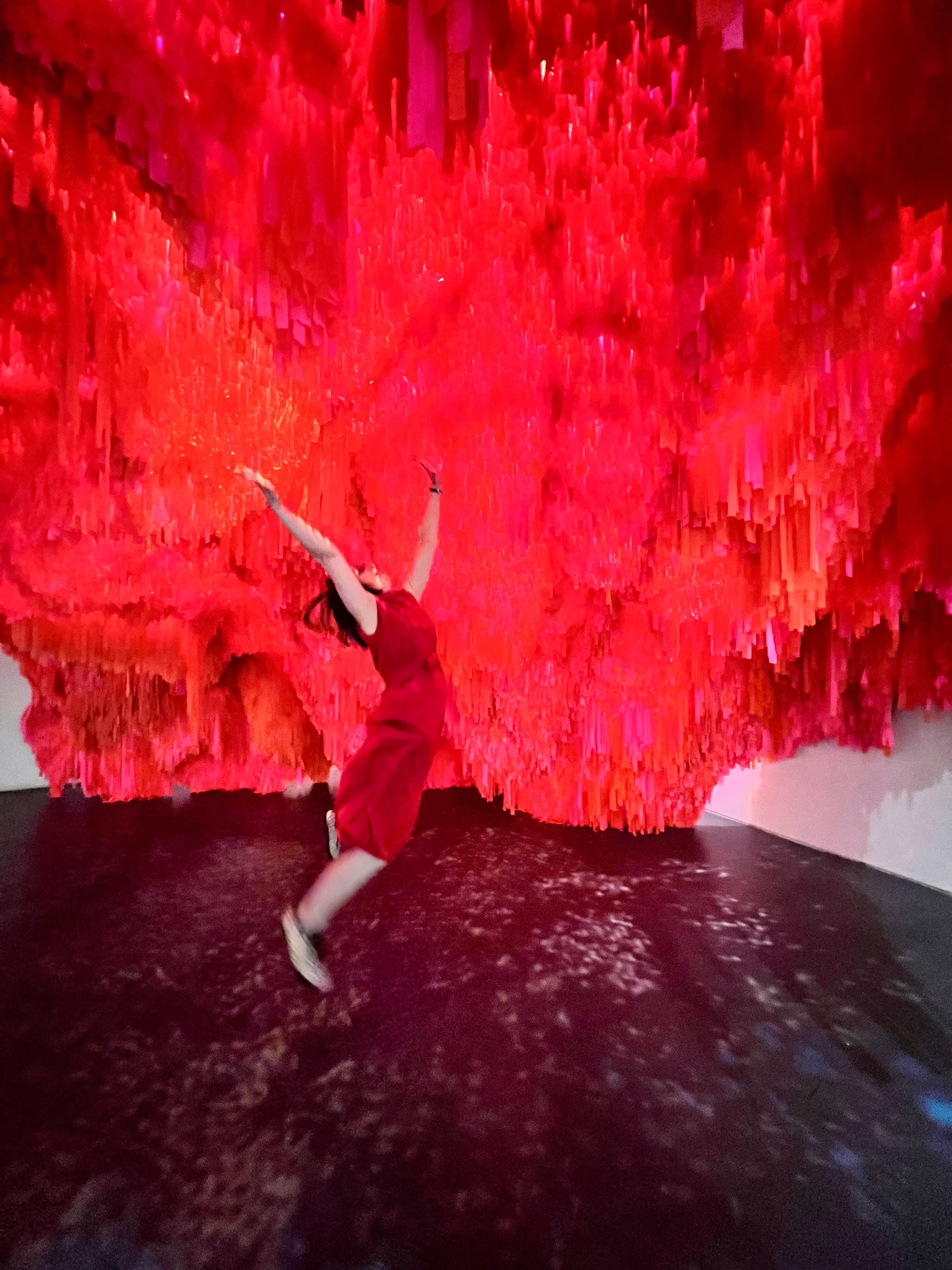
Scottsdale, Arizona, Wonderspace. There are studies showing that places with arts and artists thrive economically. Wondering if it is broader than that and really about wonder.
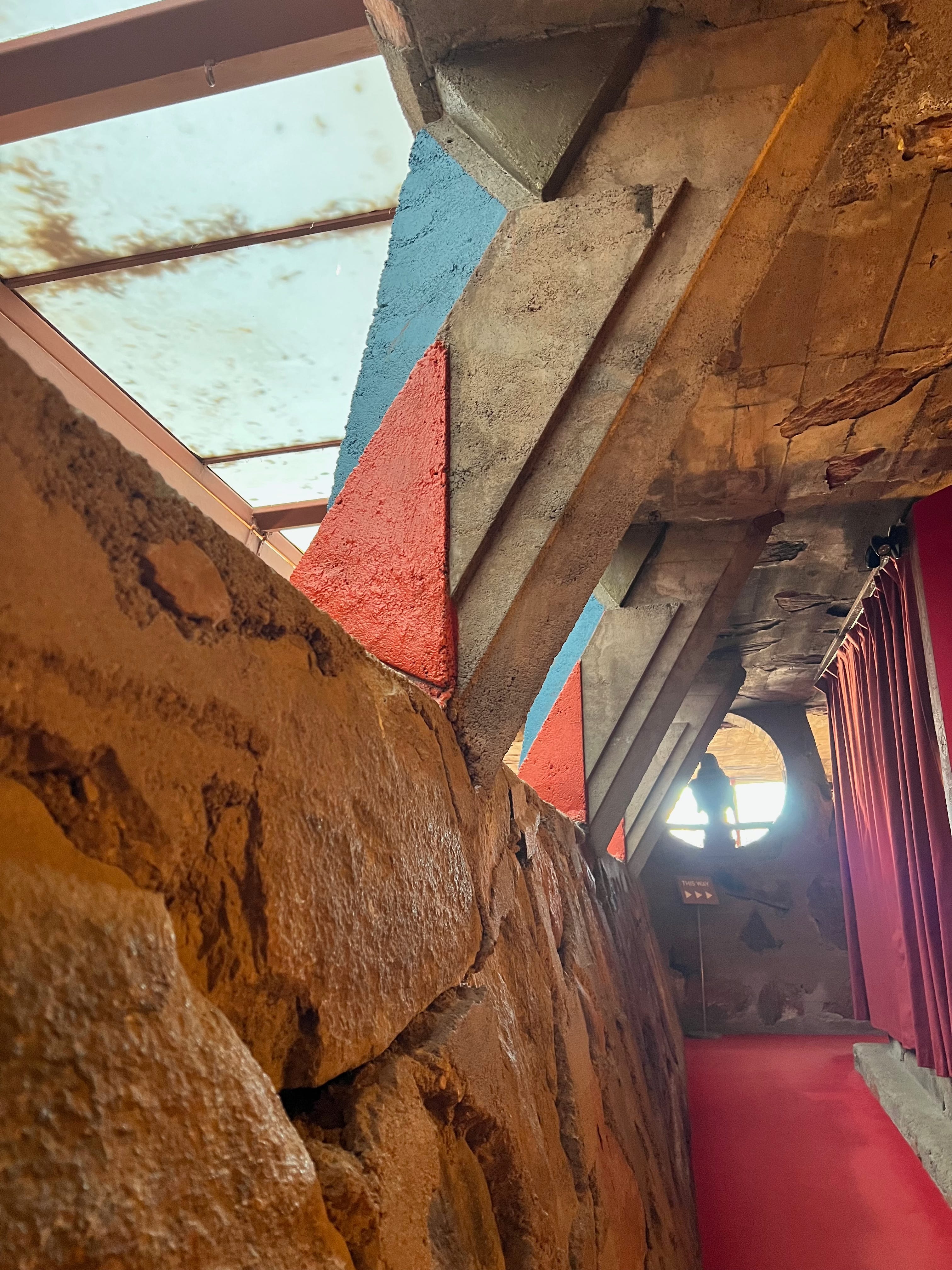
Frank Lloyd Wright’s Taliesin West. Inspiration (and creativity) from constraint. Of materials and landscapes.
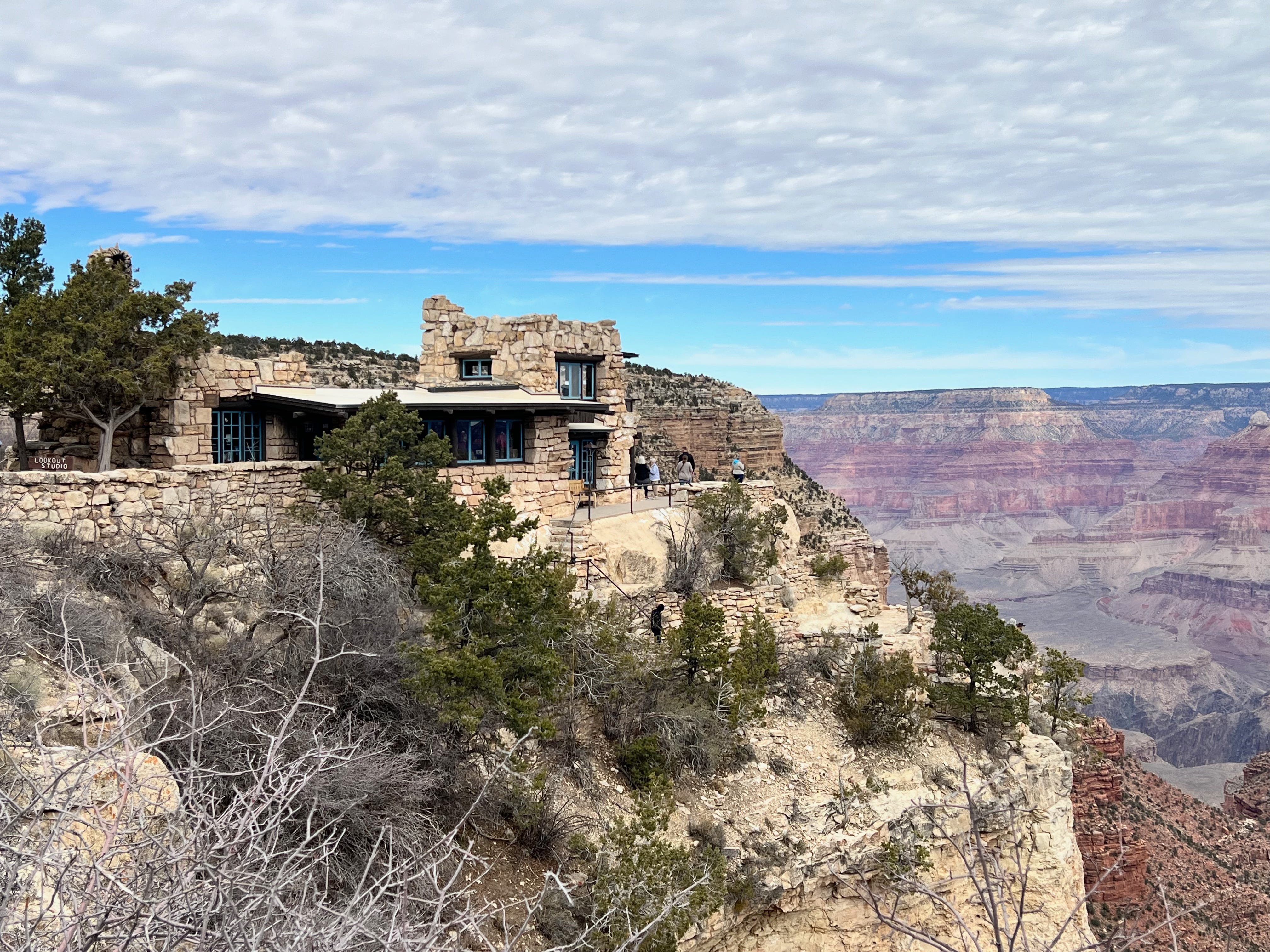
Mary Colter’s Lookout Studio at the Grand Canyon. Why do we all know Frank Lloyd Wright’s name, but not Mary Colter’s?
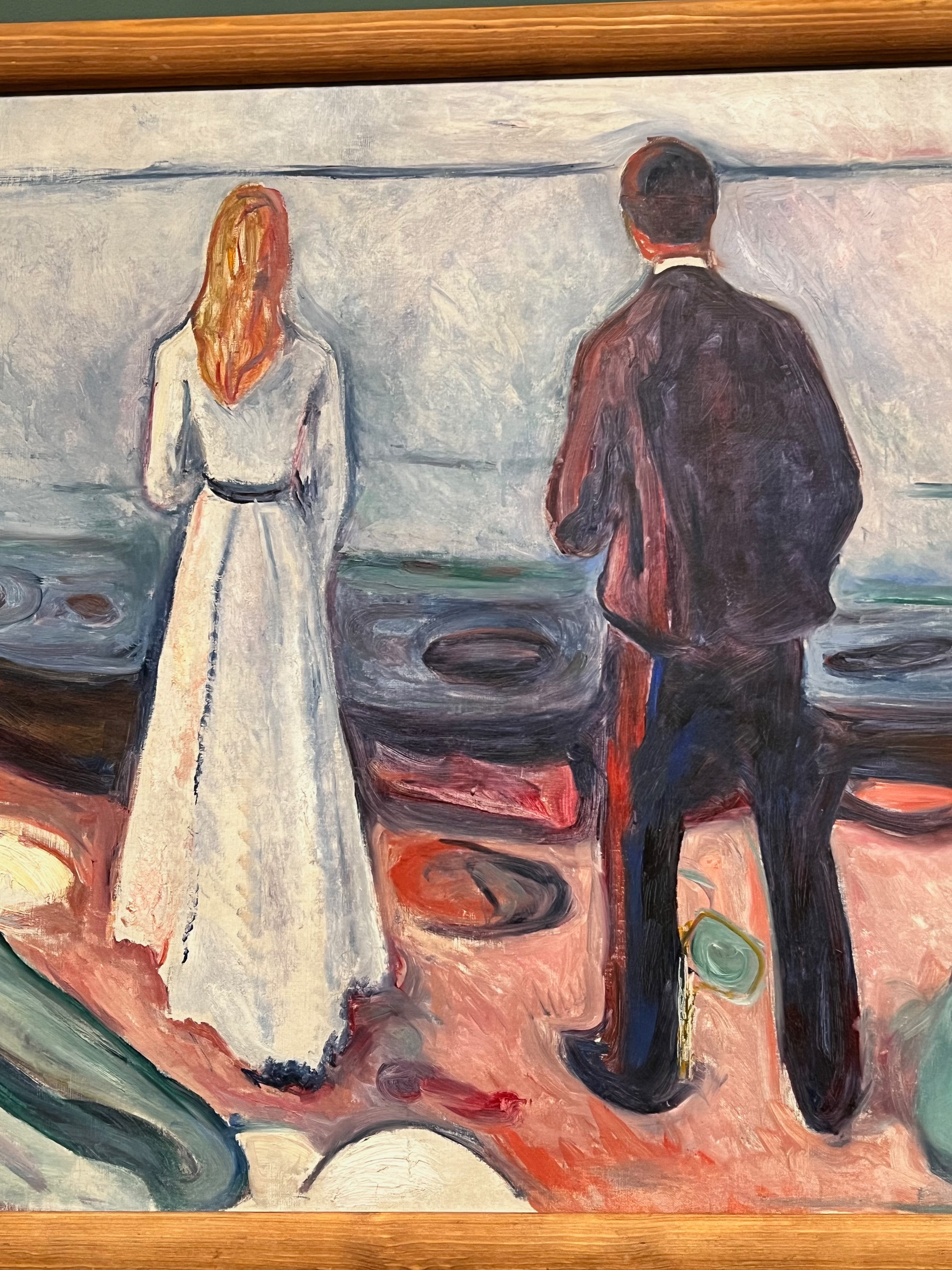
Harvard Art Museum, Cambridge, MA. Edvard Munch: Technically Speaking. He painted this scene many times. Experimenting. Looking. Trying. Writing is similar. Because a lot of it is revising. Communicating is similar. Exploring different versions of the message. Design is similar…
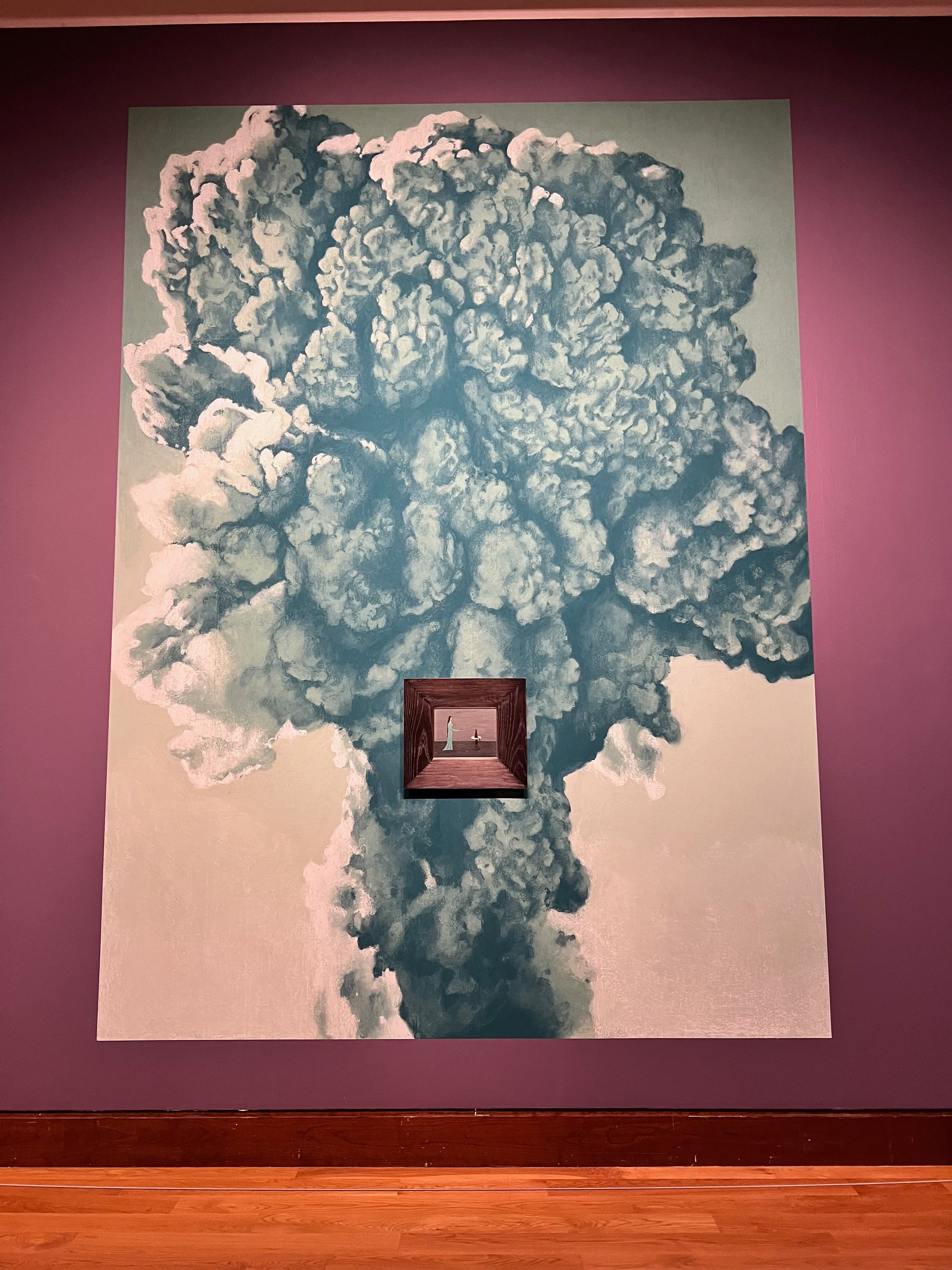
Currier Museum of Art, Manchester, NH. Nicolas Party and Surrealism. The first surrealist manifesto was published in 1924. Revisiting surrealism some 100 years later brings more creativity. I came to the science of creativity reading and drawing inspiration from the first wave of research in the 1950s and 1960s. And never stopped asking how can we learn from the past, engage with it, and re-initiate leads that might have been abandoned.
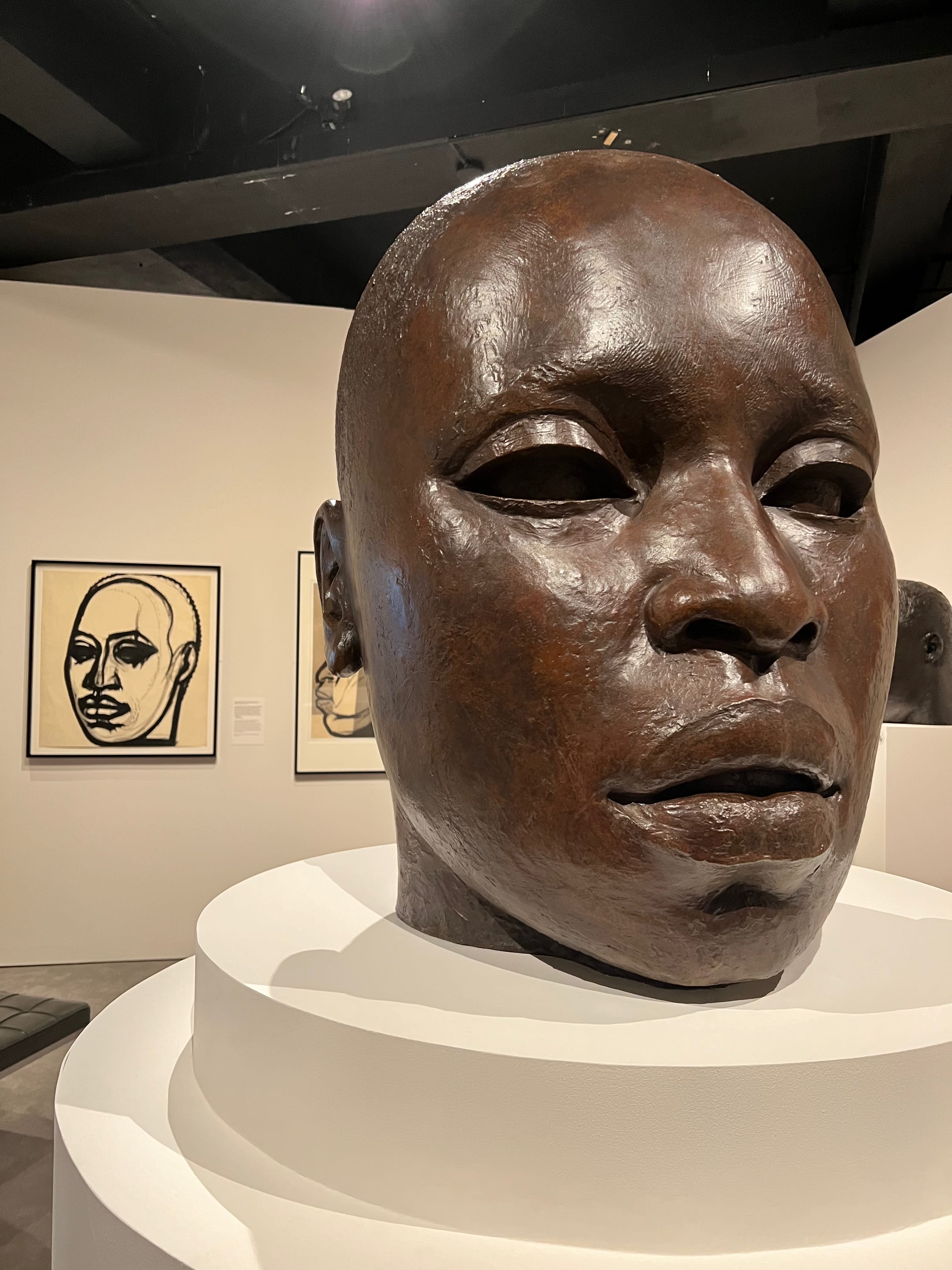
Museum of Fine Arts, Boston, MA. Witnessing Humanity: The Art of John Wilson. Humanity is big in this art. Beauty. And also ugliness of how we treat each other. What can we learn? How can we seek our humanity and center in it, now that we are on the verge of a new technological era of the artificial?
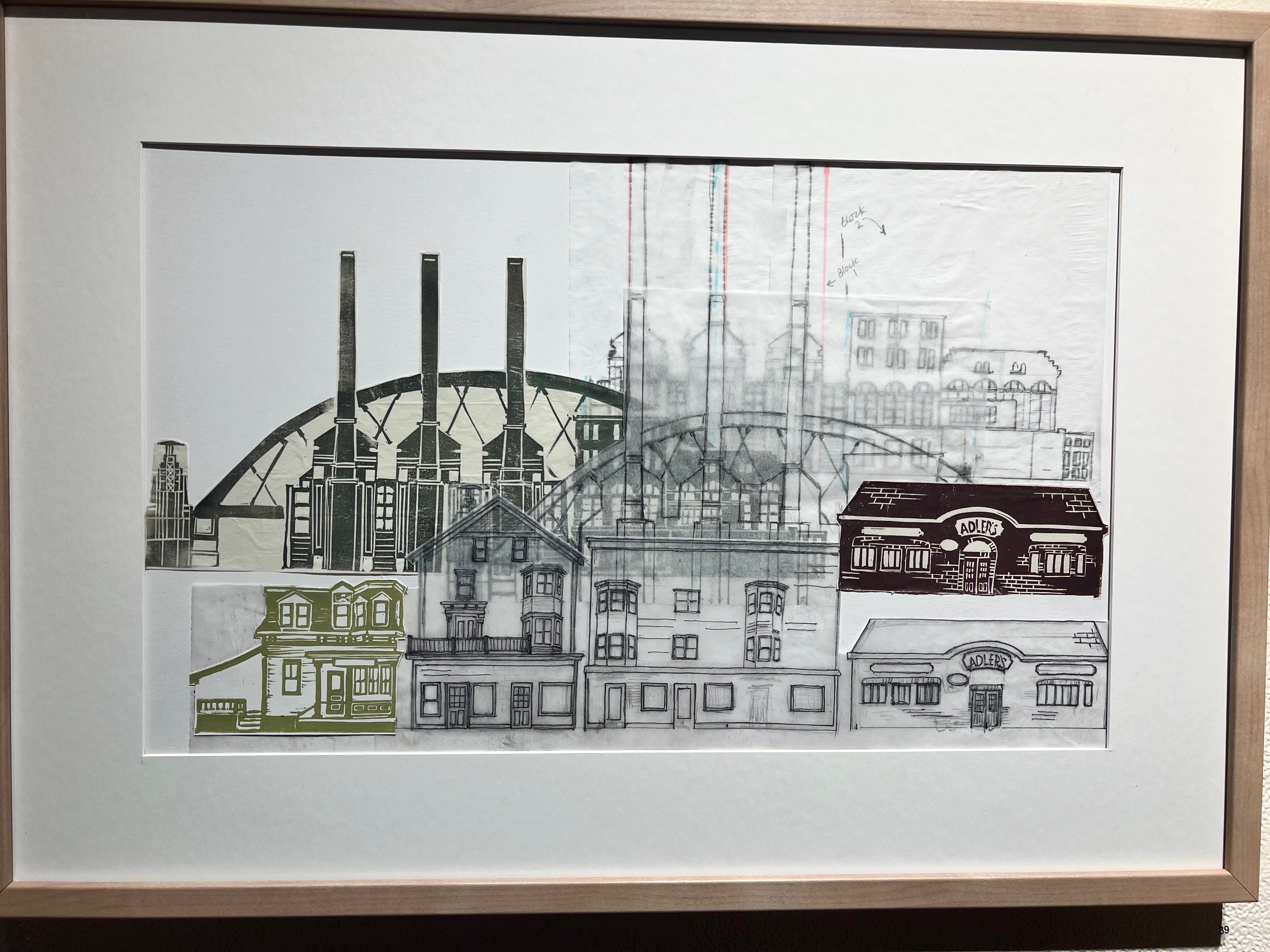
Providence, RI. Artist, Megan Hall. Present meets past meets future. I think that is what creativity does. Draws on what has been done, does it now, looking ahead.
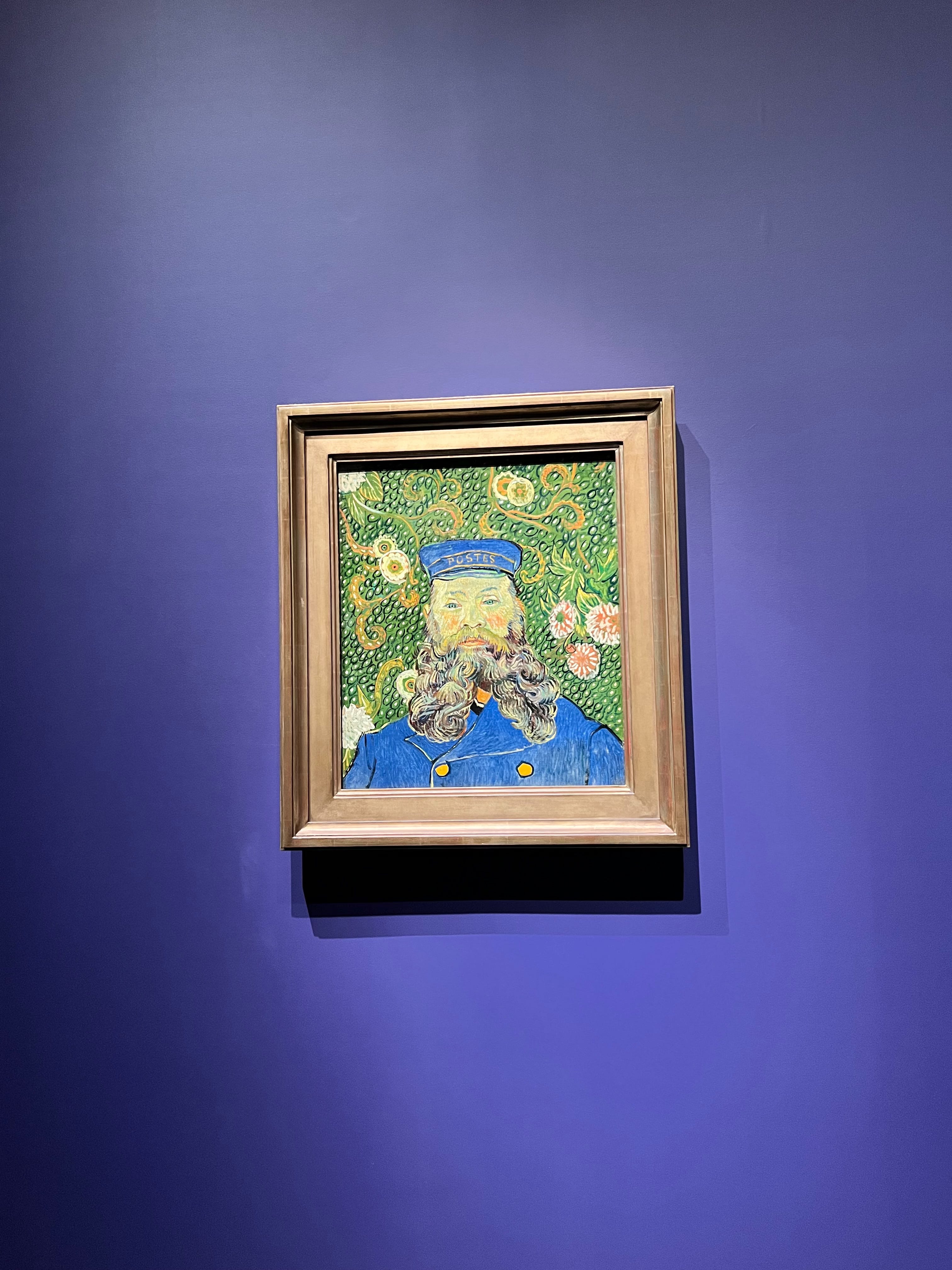
Museum of Fine Arts, Boston, MA. Van Gogh: The Roulin Family Portraits. Creativity happens in the social context. The postman made famous in this portrait was a friend who visited Van Gogh when he was hospitalized. And would he have been able to paint without his brother’s support? And without his sister-in-law’s championing, after Theo died, would we know of him?
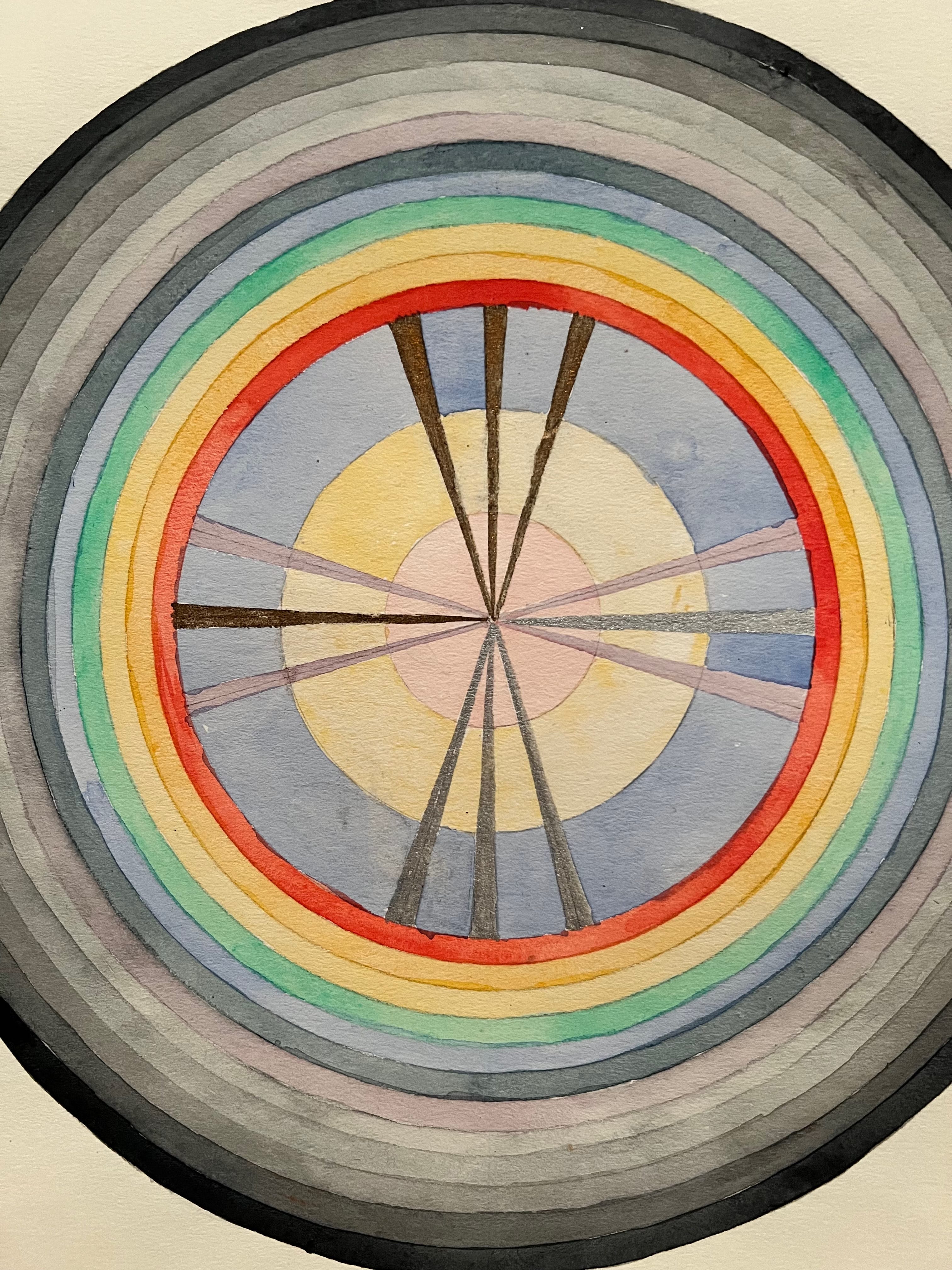
Museum of Modern Art, New York. Hilma af Klint: What Stands Behind the Flowers. Speaking of time. She was moving into abstraction before Kandinsky did, but not showing her works. Kandinsky independently moved into abstraction. We have agency, but that agency is embedded in our time and place.
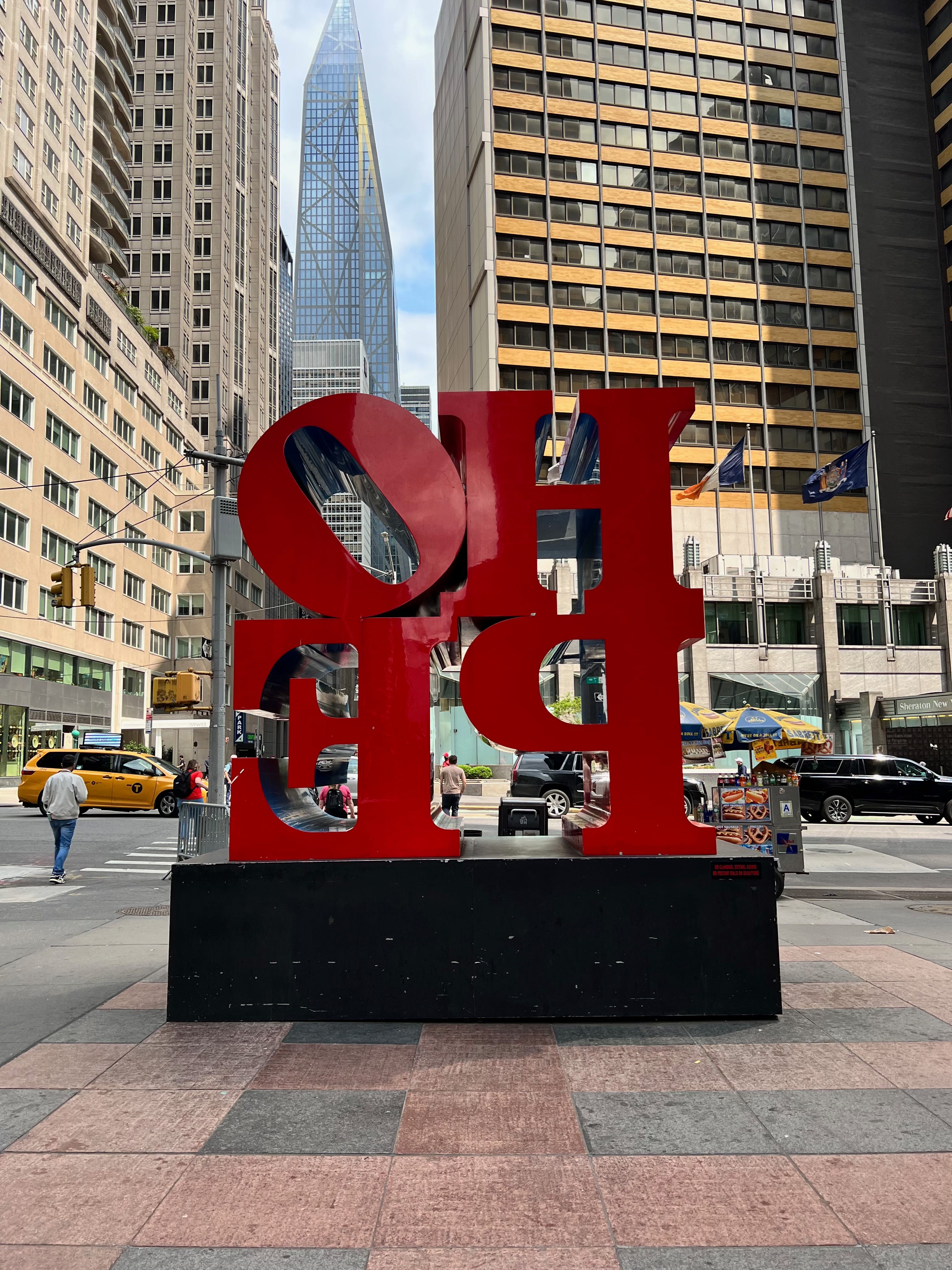
New York. Robert Indiana, Hope. Our times are backwards, making hope ever more important. A few years ago, I did a study that showed that artists are more likely than people in general to have psychological strengths (including hope) while also having some vulnerabilities (such as stress and anxiety). It might help to remind ourselves that they don’t have to be mutually exclusive. Creation makes us vulnerable, but requires hope that we can make it anyway.
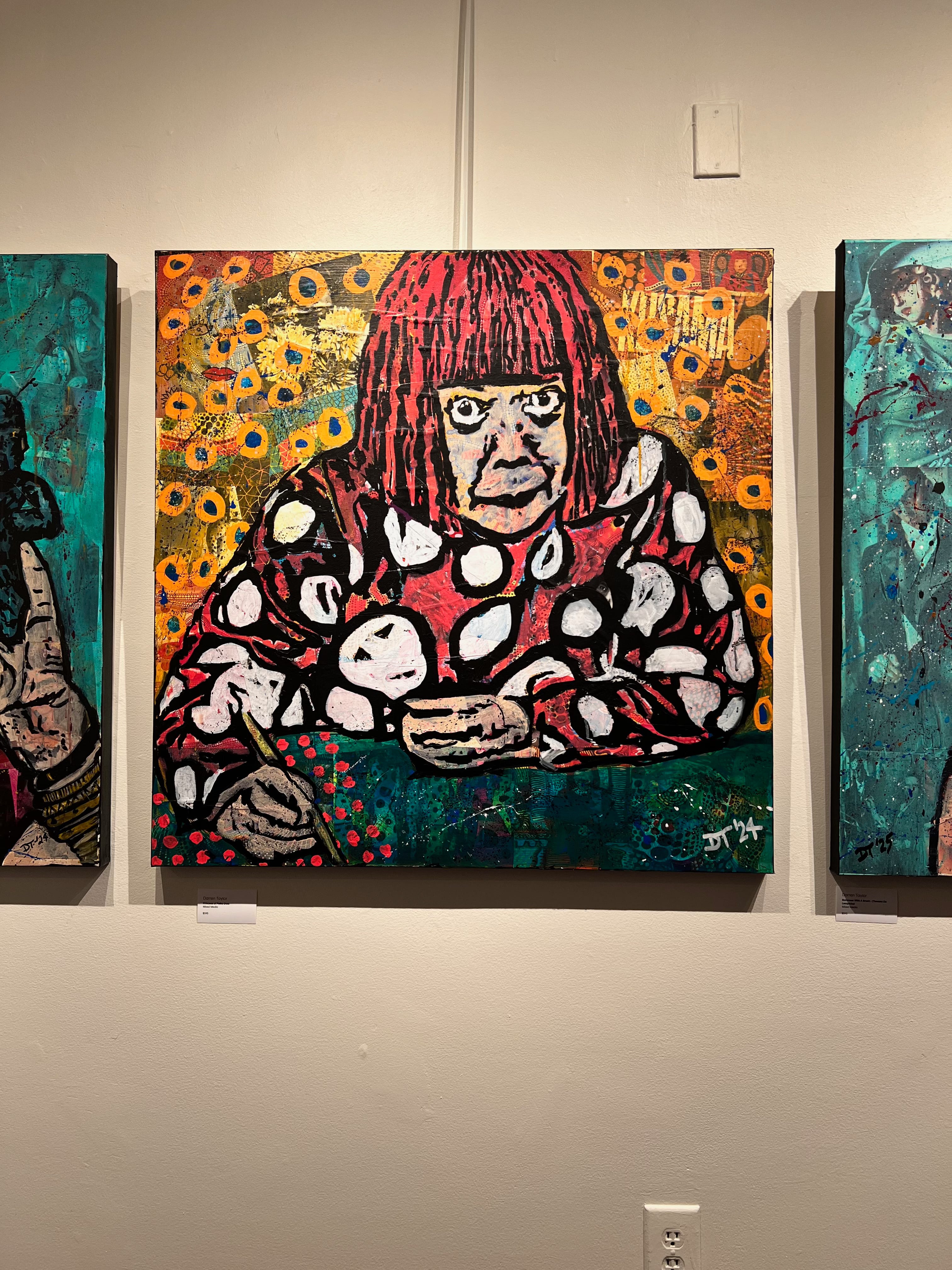
New Hampshire Art Association, Portsmouth, NH. Artist, Darren Taylor. We admire creativity when it captures some essence. This painting is the Kusama-est Kusama portrait I saw. Not just dots, but the intensity. It reminds me how Steve Jobs could tell the essence of what people wanted even when they (we) could not tell ourselves.
More on inspiration, where to look for it, and find it, in Chapter 5 of The Creativity Choice :)